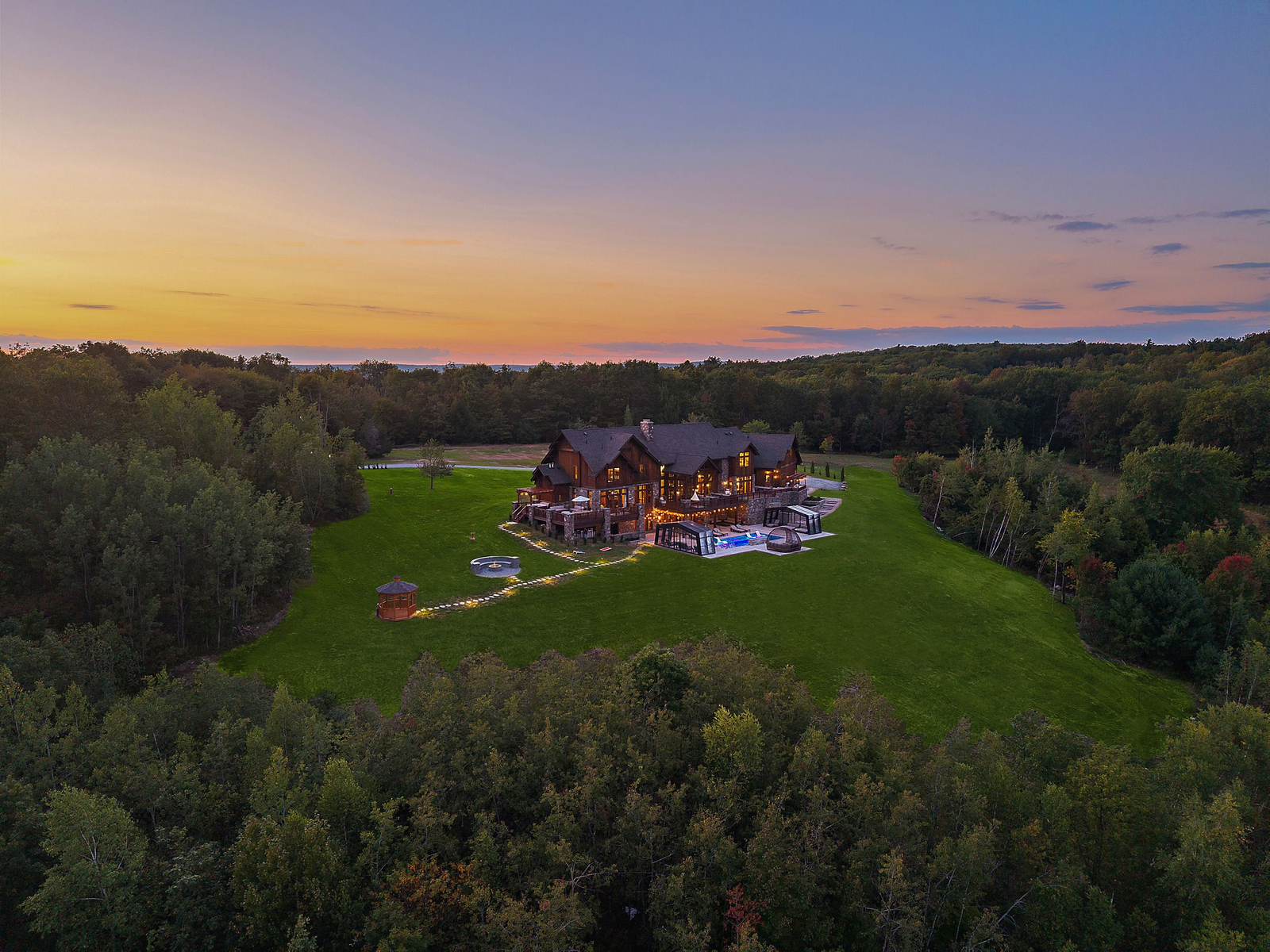
Private Wedding Buyouts Made Simple With WedStay
Private wedding buyouts made simple: how WedStay turns venue pricing, logistics, and property rules into one clear total for a 2-night weekend.

A private wedding buyout is when you rent an entire property, the whole estate and every bed on it, for your wedding weekend, and WedStay makes it simple by showing you the three things couples usually have to dig for: the total price for the 2-night minimum, how many people can sleep onsite versus attend the event, and whether weddings are actually allowed there. That is the whole answer in one sentence. No calling for quotes, no decoding a rental listing that never mentions events, no finding out about a noise curfew after the deposit clears.
Now let me walk you through why that one sentence took the wedding industry so long to deliver, because the gap between "rent a whole estate" and "rent a whole estate with confidence" is where most couples get stuck.
I planned my own 52-guest wedding on a $28,000 budget, blending two cultures and two very opinionated families, and the venue search was the single most confusing part of the entire process. Not the most expensive part. The most confusing. So this topic is personal for me, and I am going to be very concrete about what "made simple" actually means.
Quick Navigation
- What a Private Wedding Buyout Actually Is
- Why Buyouts Feel Complicated in the First Place
- Private Wedding Buyouts Made Simple With WedStay
- Tier 1: Simple Pricing, One Total for the Whole Weekend
- Tier 2: Simple Logistics, Everyone Sleeps Where You Celebrate
- Tier 3: Simple Venue Rules, No Surprises After You Book
- What Simple Looks Like on Real Properties
- Your First Two Weeks, Step by Step
- Is a Private Buyout Right for Your Guest List?
Key Takeaways
- A buyout means exclusive use of an entire estate, typically on a 2-night minimum, covering ceremony, reception, and lodging at one address.
- WedStay's 100-plus buyout properties total roughly $2,500 to $41,250 for two nights, with most weekend-ready estates between $5,000 and $15,000.
- A mid-range buyout matches The Knot's $12,900 average reception venue cost while also covering two nights of lodging, typically saving $3,000 to $5,000.
- Sleep capacity (often 10 to 40 beds) and event capacity (often 100 to 250 guests) are different numbers, and confusing them is the most common buyout mistake.
- Weekday and off-peak dates run 20 to 30 percent below peak rates, and skipping required caterers avoids markups worth roughly $3,750 on a $15,000 food budget.
What a Private Wedding Buyout Actually Is
A buyout means exclusive use. You are not renting a ballroom for six hours while another couple loads in behind you. You are renting the property itself: the ceremony lawn, the kitchen, the bedrooms, the pool, the long driveway your uncle will absolutely use for dramatic golf cart entrances. From check-in to check-out, usually a 2-night minimum (some properties require 3), the entire place belongs to you and your people.
Think of it like the difference between ordering a la carte and booking out the whole restaurant for a family feast. A la carte, you get your table and your dishes, but the room is shared, the timing is fixed, and the kitchen closes when the kitchen closes. Book the whole restaurant and suddenly the night runs on your clock. The buyout is the whole restaurant, except the restaurant also has 22 beds and a dock.
Here's what this actually looks like in practice. Your wedding party arrives Friday afternoon. Rehearsal dinner happens on the patio that evening, in the same place the ceremony happens Saturday. Nobody drives anywhere. Sunday morning is coffee and leftover cake with the thirty people you love most, still in pajamas. That third act, the slow Sunday morning, is the part couples tell me they remember most, and it simply does not exist in the traditional venue model where you are packed up and out by 11 p.m. Saturday.
The traditional alternative, for comparison: a reception venue averaging $12,900 according to The Knot's 2026 Real Weddings Study of 10,474 couples, plus a hotel block across town, plus shuttles between the two, plus a hard end time. It works. Millions of weddings run on it. But it is three separate moving systems where a buyout is one.
Why Buyouts Feel Complicated in the First Place
Okay, so if buyouts are this good, why does the idea make couples nervous? Because until recently, booking one meant assembling the puzzle yourself, and three specific uncertainties did most of the damage.
Uncertainty one: pricing. Estate venues have historically been quote-only territory. Carats & Cake puts typical estate wedding site fees at $15,000 to $50,000 and up, and you often cannot see a number until you have emailed, toured, and sat through a sales call. Meanwhile, general vacation rental platforms show you a price, but it is a lodging price that has nothing to do with hosting an event. Neither system tells you what a wedding weekend actually costs at that property.
Uncertainty two: logistics. A rental listing tells you a house sleeps 16. It does not tell you whether 100 people can attend a ceremony there, where caterers park, whether there is a load-in path that does not cross the ceremony lawn, or what happens to grandma's mobility scooter on a gravel drive. Couples on wedding forums trade lists of "questions I wish I had asked" precisely because the standard listing was never designed to answer event questions.
Uncertainty three: the venue itself. This is the scary one. Plenty of couples have booked a gorgeous rental, mentioned the word "wedding," and had the booking cancelled, because most short term rentals prohibit events outright. Others made it to the weekend and met a 9 p.m. outdoor noise ordinance nobody had disclosed. When a property was never vetted for weddings, you are gambling that the rules, the neighbors, and the insurance all happen to work out. A thread on r/Weddingsunder10k is full of couples who learned this the hard way, with commenters steering them toward full bed and breakfast buyouts and properties that explicitly welcome events instead.
Real talk: any one of these three is survivable. It is the combination that turns couples off buyouts entirely and sends them back to the conventional venue plus hotel block, even when a buyout would have cost less and felt better. I watched a cousin do exactly this in 2023. She wanted the estate weekend, got two vague quotes and one "no events allowed," and booked a banquet hall by Thursday out of sheer exhaustion.
Private Wedding Buyouts Made Simple With WedStay
This is the exact problem WedStay was built to solve. WedStay is a marketplace of private properties that are specifically vetted for weddings, listed with the numbers couples actually need. The simplification is structural, not cosmetic, and it maps one-to-one onto the three uncertainties above.
On a WedStay listing you see, before you ever send a message:
- The total price for the minimum stay. Not a rate that hides fees until checkout, not "inquire for pricing." One number for the 2-night (or 3-night) weekend.
- Both capacity numbers. How many guests sleep onsite, and separately, how many can attend your event. These are different numbers on every property, and mixing them up is the single most common buyout mistake.
- Event permission, in writing. Every property on the platform allows weddings. That sentence sounds small. It removes the entire category of "we booked it and then got cancelled."
There is also a matching layer on top. If you do not want to browse, the venue matcher takes your guest count, region, and budget and shortlists properties that fit, which turns a weeks-long search into an afternoon.
My aunt used to say a wedding feast should feel like the best dinner party you've ever thrown, just with more flowers. The platform version of that idea is this: the venue search should feel like picking the dinner party house, not like negotiating a commercial lease. Let me break the three simplifications down properly, because each one has real money attached. I structure everything in tiers (my clients tease me about this, and they are right to), so here we go.

Tier 1: Simple Pricing, One Total for the Whole Weekend
The magic number to hold onto: across WedStay's 100-plus buyout properties, 2-night totals run from about $2,500 to $41,250, and most weekend-ready estates land between $5,000 and $15,000.
Put that against the market. The Knot's 2026 study put the average reception venue alone at $12,900 for roughly six hours of access. Zola's 2026 First Look Report found venue and site fees averaging $8,573, typically ranging $6,900 to $10,300. So a mid-range buyout at $8,000 to $12,000 sits right on top of what the average couple already pays for a venue, except the buyout price also covers two nights of lodging for your wedding party and closest family. The venue and the hotel block stop being separate line items. They merge.
And that merge is where the comparison tips. Hotel block costs scale with every room you add. A buyout total mostly does not move: a $9,000 property costs about $9,000 whether 40 guests attend or 90. The bigger your onsite group, the harder the buyout wins. For a typical wedding the swing runs $3,000 to $5,000 in the buyout's favor once you count venue, lodging, and shuttles honestly.
Two smaller pricing levers worth knowing:
- Weekday and off-peak dates often price 20 to 30 percent below peak weekend rates on the same property. On a $12,000 weekend, that is $2,400 to $3,600 back, enough to cover a photographer.
- No forced catering markups. Traditional venues frequently require in-house or preferred-list caterers carrying 20 to 30 percent markups. On a $15,000 catering budget, a 25 percent markup is $3,750 you never see itemized. On a private property you bring the caterer you actually want, including the family friend who makes biryani for 80 without blinking.
Confession time: when I ran my first buyout comparison spreadsheet years ago, I forgot to move the wedding party's hotel rooms over to the buyout column as "already included." My spreadsheet said the banquet hall won by about $2,000. It had actually lost by more than that. I found the error two weeks later and felt appropriately silly. Run your own numbers in the wedding venue cost calculator and make sure lodging lives in the right column.
One honest caveat, because I promised methodical, not salesy: a buyout is not automatically cheaper for everyone. If your guest list is 150 with only a handful staying over, or you want a fully staffed, fully serviced venue where someone else handles every chair, the traditional model can absolutely compete. Simple pricing means you can see which situation you are in before you spend a single tour weekend finding out.
Tier 2: Simple Logistics, Everyone Sleeps Where You Celebrate
Buyout logistics collapse a three-location problem into a one-location problem. Ceremony, reception, and lodging share an address, which quietly deletes some of the most annoying items on a planning checklist: the shuttle contract ($500 to $1,000 on a typical weekend), the hotel block negotiation, the 45-minute gap where guests wander a strange town between ceremony and cocktail hour, and the sober-driver spreadsheet at the end of the night.
The two numbers that make this work are the ones WedStay puts on every listing:
Sleep capacity is how many people have actual beds. This is your inner circle: wedding party, parents, the friends flying in from far away. On most estates that is somewhere between 10 and 40 people.
Event capacity is how many can attend the celebration itself, and it is usually much larger, often 100 to 250. Everyone beyond sleep capacity books nearby lodging and drives in, exactly like they would for any wedding.
Wait, I should mention the thing couples miss here, because I have seen it cause genuine tears: these numbers are not interchangeable. A property that "sleeps 22, hosts 100" is not a property where 100 people stay the weekend. Plan the overnight list like a dinner party seating chart, deliberately and early, and let the day guests be day guests. When we planned our own 52-guest weekend, deciding who got the onsite beds was a genuine two-family negotiation, and doing it four months out instead of four weeks out is what kept it friendly.
The rest of the logistics stack gets easier at a single location too. Vendors load in once. The florist decorates one space that flows from ceremony to reception. Your photographer captures getting-ready, ceremony, and dancing without moving the car. And your timeline stops being hostage to a venue's six-hour window: rehearsal dinner Friday, wedding Saturday, recovery brunch Sunday, all on your own clock, with no overtime fees ticking at $500 an hour past a contractual end time.

Staffing deserves one honest sentence: a private property does not come with a banquet team. You will hire your caterer, day-of coordinator, and rentals yourself, or through the vetted vendor marketplace, where the vendors already work estate weddings and know what "there is no commercial kitchen, plan accordingly" means. Couples who love the buyout model tend to be couples who like choosing their own team anyway.

Tier 3: Simple Venue Rules, No Surprises After You Book
This tier is the least glamorous and the most important, like salt in a recipe. Nobody compliments the salt. Everybody notices when it is missing.
Every property listed on WedStay allows weddings, full stop, which means the nightmare scenarios that haunt rental-wedding forums are structurally off the table. You are not sneaking an event past a host. You are not reading a 14-page house manual hunting for the word "gatherings." The host listed the property because they want wedding weekends there.
The rules that remain are the ones you genuinely need to know, and they are disclosed up front rather than discovered later:
- Noise and music cutoffs. Rural estates often allow outdoor music later than suburban properties near neighbors. Either way, you want the number before you book, not from a sheriff's deputy at 9:40 p.m.
- Amplified music and tent placement. Some properties have designated event areas; some let you choose. Ask where previous couples set the dance floor.
- Vendor access windows. When can setup start Friday? Can rentals be collected Monday? Estate-experienced hosts have clean answers.
- Insurance and occupancy. Event insurance for a private property wedding typically runs a few hundred dollars, and hosts on a wedding platform expect and welcome it rather than treating it as a red flag.
Because hosts on the platform are hosting weddings on purpose, the whole relationship changes flavor. A host who dreads events answers questions slowly and vaguely. A host who markets wedding weekends will tell you which caterer nailed load-in last spring and where the sunset hits the lawn in October. That second conversation is the one you want to be having, and it is the only kind available when the platform itself filters for wedding-friendly properties.
What Simple Looks Like on Real Properties
Theory is nice. Menus are better. Here are real WedStay properties with their real published numbers, so you can see the full pattern (sleep capacity, event capacity, one total) in the wild.
The Lake Keowee modern estate in Seneca, South Carolina, pictured throughout this post, sleeps 22 and hosts up to 100 event guests starting at $7,600 for the weekend, with a game room and a private dock on the lake. Twenty-two beds means your entire wedding party plus both sets of parents wake up onsite. The dock means your photographer will cry happy tears.
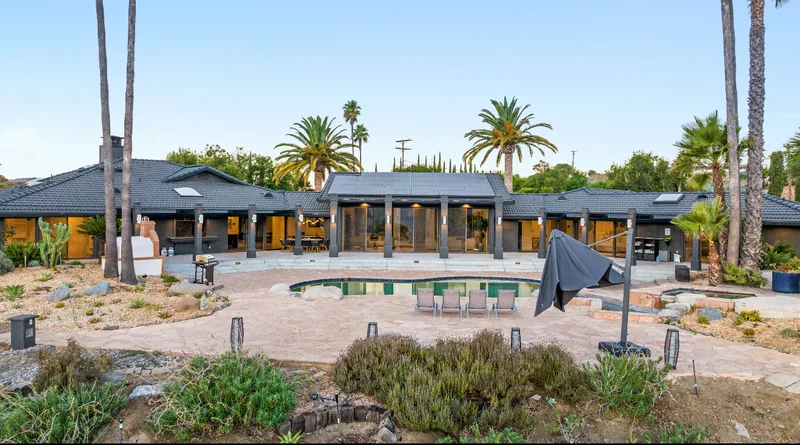
The 40-acre San Diego private resort in Valley Center, California sleeps 42 and hosts up to 150, starting at $11,000. Run the math on that one: 42 onsite guests for two nights works out to roughly $262 per person for lodging and venue combined, which undercuts most hotel rooms before you even count the venue value.
The Orlando lakefront estate in Florida sleeps 20 and hosts up to 150, starting at $7,200, with a pool and an actual speakeasy room, which permanently settles the "where does the after party go" question.
And for larger families, the 80-acre Georgia estate in Thomasville spreads 30 sleep spots across four separate homes and hosts events up to 250, starting around $9,266 for two weekday nights. Four houses means your family and your in-laws each get their own kitchen, and if you have ever hosted two families under one roof for a holiday, you know that is not a luxury. That is diplomacy.
Notice what you just did: you compared four estates across four states, with capacities and weekend totals, in about ninety seconds. That comparison used to take three weeks of emails.
Your First Two Weeks, Step by Step
Let me walk you through the opening moves, tiered by week, because "simple" should include the part where you actually start.
Week one: define your two numbers. Draft the overnight list (who truly needs a bed onsite) and the total guest list. Be honest on both. The overnight list is a dinner party, not a stadium. Then set your all-in venue-plus-lodging budget using the averages above as guardrails: most couples land between $5,000 and $15,000 for the weekend.
Week two: shortlist and ask. Filter properties by region, sleep capacity, and event capacity, or let the venue matcher do it. Pick three to five candidates. Message hosts with the questions that separate good from perfect: music cutoff time, vendor arrival windows, weather backup space, and which local caterers have worked the property before. A host with crisp answers is a host who has done this.
From there it follows the normal booking rhythm: hold your date, read the agreement (deposits typically run 25 to 50 percent), and book your overnight guests into their rooms early so nobody is negotiating beds at the rehearsal dinner. Popular estates book 12 to 18 months out for peak season Saturdays, so if your date is flexible, remember that weekday discount from Tier 1.
Is a Private Buyout Right for Your Guest List?
The buyout model fits beautifully when your celebration looks like a weekend, not an evening: 30 to 150 guests, a wedding party you actually want to spend three days with, and a couple who would rather build their own vendor dream team than accept a venue's preset menu. It especially shines for multicultural weddings like mine, where you might need Friday night for a mehndi or a tea ceremony and Saturday for the main event, because you are paying one total for the whole span instead of renting a ballroom twice.
It fits less well if you want a 250-guest formal reception with full banquet service and zero self-direction, or if almost nobody on your list would stay overnight. That is not a failure of the model. That is just knowing your own party, the way you know whether your family is a plated-dinner family or a giant-buffet family.
What WedStay changes is not the buyout itself. Couples have been renting estates for weddings for decades. What changes is that the three questions that used to require weeks of emails (what does it cost, who fits where, and are we even allowed) are now answered on the listing before you fall in love with the place. The uncertainty was never the price of admission. It was just bad menu design, and it finally got fixed.
Free Tools for Your Wedding Weekend
Planning a wedding at a private estate or vacation rental? These free tools are built specifically for non-traditional venues.
🎯 Start PlanningWedding Venue Cost Calculator, Real pricing data from 100+ wedding properties. Compare all-inclusive estate costs vs. traditional venues.Browse Vetted Vendors, Vendors who specialize in estate, vacation rental, and backyard weddings. 4.9-star average, vetted and monitored.Wedding Weekend Planning Guide, Multi-day celebration timeline, guest coordination, and 100+ weekend venues from $8,000.Get the Free WedStay App, browse venues, plan, and book on the go.
Related guides:
- A Private Estate Wedding House Just Outside Nashville, Complete with an Event Barn, Scenic Views, and Room to Celebrate All Weekend Long
- Why Falling in Love with Someone Who Has a Child Might Be the Best Thing That Ever Happens to You
- 10 Things Every Couple Should Talk About After Getting Engaged (Before You Pick the Cake)
Frequently Asked Questions
What are the best alternatives to Airbnb and VRBO for renting a property for a wedding weekend?
Look for platforms and properties that explicitly permit events, since most standard short term rentals prohibit them and can cancel your booking once you mention a wedding. WedStay is built for exactly this, with 100-plus buyout properties where weddings are allowed in writing and 2-night totals listed upfront, most between $5,000 and $15,000. Other routes worth exploring include full bed and breakfast buyouts, small inns, retreat centers, and estate venues that list on wedding-specific directories, options couples on r/Weddingsunder10k discussing this repeatedly recommend over generic rental listings. Whatever you choose, get event permission in the contract, not just in an email.
Should we have our wedding at an Airbnb or a traditional venue?
It depends on three things: guest count, how many people stay over, and how much you want to run your own show. A regular Airbnb is risky because most prohibit events outright, so compare a wedding-vetted buyout against a traditional venue instead. Buyouts win when a big chunk of your list sleeps onsite, since a $9,000 property costs roughly the same for 40 or 90 attendees and folds lodging into the venue cost. Traditional venues win for 150-plus guest lists with few overnight stays, or if you want built-in staff handling every chair. Run both totals honestly, including hotel blocks and shuttles, before deciding.
Do you need special insurance for a wedding at a private estate or rental property?
Almost always, yes. Most buyout properties require couples to carry a one-day or weekend event liability policy, typically $1 million in coverage, and many also want host liquor liability if alcohol is served. Expect to pay roughly $150 to $400 through providers like WedSafe or Markel, which is cheap compared to what it protects. Some properties additionally require caterers and bartenders to show their own certificates of insurance. Ask for the property's exact insurance requirements before you sign, and get your policy documents to the owner a few weeks ahead so it never becomes a day-of scramble.
How far in advance should you book a private wedding buyout?
Twelve to eighteen months out is the safe window for a peak-season Saturday, because a buyout property hosts one wedding per weekend, not several per day like a banquet hall, so inventory disappears faster than you'd expect. If you're flexible, shorter timelines work: weekday and off-peak dates often price 20 to 30 percent below peak rates and stay open much later. Booking early also gives you time for the part the post calls a two-family negotiation, deciding who gets the onsite beds, which is far friendlier at four months out than four weeks out.
Where do guests stay if a buyout property sleeps fewer people than attend the wedding?
Everyone beyond the sleep capacity books nearby lodging and drives in for the celebration, exactly like a normal wedding. Most estates sleep 10 to 40 but host 100 to 250, so plan on a small hotel block or a cluster of nearby rentals within 20 to 30 minutes of the property. Reserve a courtesy block early in a couple of price ranges, list the options on your wedding website, and consider one return shuttle at the end of the night for day guests. Keep the onsite beds for your inner circle and decide that list early to avoid family friction.
What questions should you ask a property owner before signing a wedding buyout contract?
Get specifics in writing: the exact noise curfew and whether it applies to outdoor amplified music, both capacity numbers, where vendors load in and park, quiet hours, whether tents or open flames are allowed, septic and power limits for caterers, and the full fee list including cleaning, security deposit, and per-guest charges. Ask what happens if weather forces the ceremony indoors and whether the owner or a manager is reachable during the weekend. Also confirm the property's event permit status with the local municipality if the area regulates short term rental events. The answers matter more than the photos.
Sources
1. Wedding Checklists & Timeline · marthastewart.com
2. 45 Questions to Ask a Wedding Venue During Your Tour · theknot.com
3. The Perfect Getting-Ready Timeline for Your Wedding Day · brides.com
4. Wedding Cake Alternatives for the Couple Who Just Doesn't Like Cake · marthastewart.com
5. The Complete Guide to Planning a Wedding · brides.com
6. King Charles's Scottish Home Will Host a New Luxury Wedding Venue · townandcountrymag.com
7. Make-up dos and don'ts for destination weddings · harpersbazaar.com
From real couples on Reddit
- r/Weddingsunder10k: Looking for Wedding Weekend Rental Tips Beyond Airbnb and VRBO - Any Success Stories or Recommendations? · Commenters warn that most Airbnb/VRBO hosts won't allow large events (Airbnb bans parties outright) and suggest alternatives: renting out an entire bed and breakfast, campgrounds, local parks, or restaurant buyouts. Some Airbnb listings do advertise separate event rental arrangements, so contacting hosts directly about events can work.
- r/weddingplanning: How do I convince my fiancé to not have our wedding at an Airbnb? · Commenters warn that Airbnb weddings carry real risks like unhappy neighbors disrupting the ceremony, plus hidden setup work and costs. The consensus is to find out what specifically appeals about the Airbnb and compromise on a small non-traditional venue such as a winery, while also settling the guest-count disagreement first.
- r/DestinationWeddings: Hotel upcharges and lack of transparency around wedding exclusivity/privatization · Commenters said room block upcharges after a full buyout are not normal and that couples should negotiate guest room rates into the buyout contract itself rather than assuming preferential pricing. They also stressed asking for exact room counts and sleeping configurations, since a venue's comfortable capacity claim can hide rollaway beds and awkward room sharing.