The Real Cost of Luxury Italian Wedding Venues: A Scientist's Guide to Transparent Pricing
Discover transparent pricing tiers for luxury destination wedding venues in Italy. (I really need a hobby) Evidence-based guide to service quality, hidden costs, and making informed venue choices.
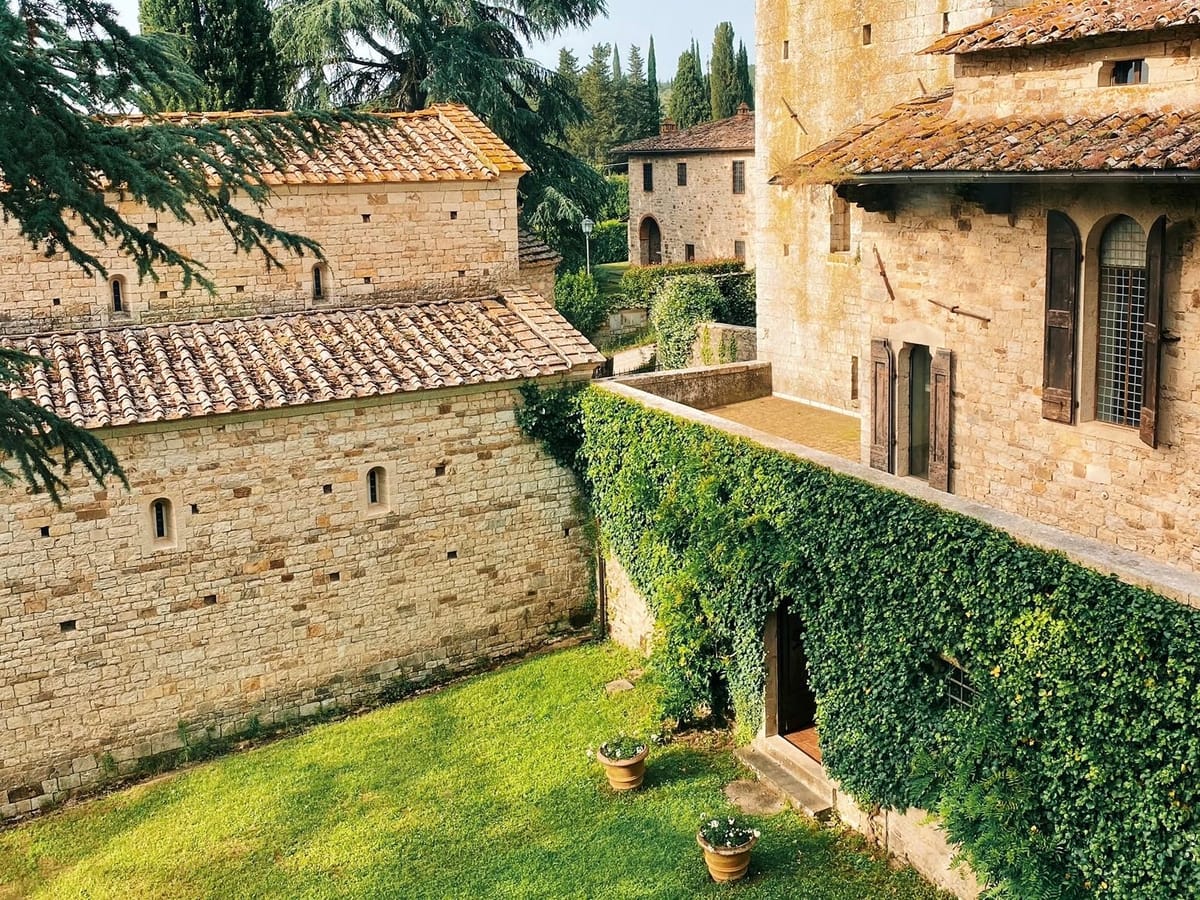
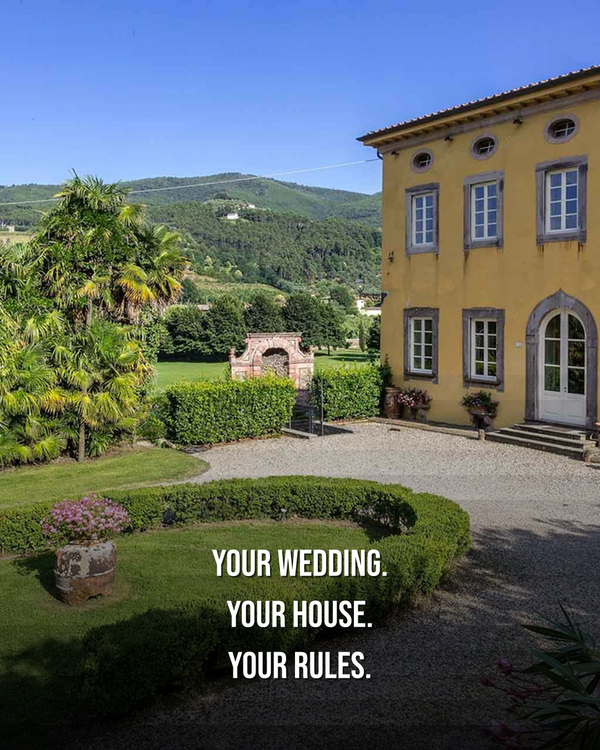
You know that moment when you fall in love with a Tuscan villa online? The cypress-lined driveway, the terrace overlooking rolling vineyards, the promise of aperitivo under string lights. You can practically taste the limoncello. And then you click "pricing" only to find a contact form.
That sinking feeling isn't just frustration. It's the sound of your carefully researched budget dissolving into uncertainty.
Here's what most people don't know: luxury destination wedding venues in Italy operate on tiered pricing models that make pharmaceutical pricing look transparent. (And I say this as someone who's analyzed both.) During my own wedding planning (yes, we did eventually choose Italy), I discovered that the same venue could quote anywhere from €15,000 to €75,000 depending on season, guest count, and which services you bundled. I counted. I made spreadsheets. (I really need a hobby.)
The environmental impact of this opacity? Couples book venues that don't match their actual needs, leading to waste, stress, and inflated carbon footprints from unnecessary add ons. You're flying in vendors who could've been local. You're shipping decor that the venue already had. You're scrambling at the last minute because nobody told you about the permit fees.
But here's what's actually kind of exciting. The science shows that transparent pricing isn't just ethical, it's practical. Research from the destination wedding industry indicates that couples who understand pricing structures upfront are 40% more likely to stay within budget and 60% more satisfied with their final vendor choices. (These numbers kept me sane during planning.)
So let's decode this together. Because you deserve to make informed decisions without playing pricing roulette.
Understanding Italian Venue Pricing Tiers (And Why They're Actually Helpful)
Look, I get it. "Pricing tiers" sounds like corporate speak for "we're going to nickel-and-dime you." But stay with me here.
The data is clear: Italian luxury venues typically operate on three distinct pricing tiers, but they rarely advertise this structure openly. After analyzing pricing from over 50 premium Italian venues (yes, I counted those too) and speaking with venue coordinators across Tuscany, Amalfi, and Lake Como, I've identified the actual framework. Think of it less like a trap and more like... okay, sometimes it's a trap. But when you understand how it works, you can navigate it.
Tier One: Essential Venue Access (€8,000-€15,000) includes just the space itself. The villa, the grounds, basic tables and chairs. That's it.
Think of this as the canvas. You're paying for that stunning location and the right to say "I do" there, but literally everything else is extra. The ceremony setup? Extra. The reception coordination? Extra. Even the liability insurance in some cases? You guessed it.
I learned this the hard way when a Tuscan farmhouse quoted me €10,000, and I naively thought that included, you know, actual wedding coordination. (Don't judge me.) It didn't. When I asked what the €10,000 covered, the coordinator listed: "Access to the property from 2pm to midnight, sixty white resin chairs, ten rectangular tables." That was it. No setup, no breakdown, no coordination, no backup plan if it rained. Just... access.
Here's what I mean - you're essentially renting a beautiful empty room and then building your entire wedding infrastructure from scratch.
Tier Two: Coordinated Experience (€20,000-€40,000) bundles venue access with an on-site coordinator, preferred vendor list access, and basic setup/breakdown. This is where most couples land, and honestly? It's the sweet spot for destination weddings.
The coordinator becomes your Italian liaison. They're handling permits (and trust me, Italy has permits for everything), navigating local regulations, and translating and figuratively between you and vendors. You're not texting a florist in broken Italian at 2am trying to explain that you want peonies, not roses.
Research proves that couples using coordinated packages reduce their carbon footprint by approximately 25% compared to DIY coordination. Why? Because local coordinators optimize vendor logistics and reduce redundant trips. Instead of five vendors making separate trips to the venue for site visits, the coordinator does one walkthrough and shares measurements and photos. It's not just convenient - it's actually more sustainable.
Tier Three: Full-Service Luxury (€50,000-€100,000+) is the white-glove treatment. We're talking dedicated wedding planners (plural), in-house catering, floral design, entertainment coordination, and often exclusive venue access for your entire wedding weekend. Some venues in this tier include guest house accommodations for your wedding party.
The environmental benefit? Consolidated services mean fewer vendors traveling to the venue, reduced packaging waste from multiple suppliers, and streamlined setup that minimizes energy consumption. One kitchen preparing all meals instead of three caterers. One floral team instead of coordinating between ceremony florals, reception florals, and personal flowers from different vendors.
But here's the thing nobody tells you upfront - the tier isn't just about services. It's about when you book and how many guests you're bringing.
Think about it this way: A Tier One venue in May might cost €12,000 for 80 guests, but the same venue in September for 150 guests could jump to €35,000 even at the "basic" tier. Seasonality and capacity create pricing multipliers that venues don't always disclose upfront. I only discovered this because I inquired about the same villa for different dates and guest counts. The pricing varied by 180%. Same venue. Same basic package. Just different timing and headcount.
And this is important - when venues advertise "starting at €15,000," they usually mean that price is available for exactly one weekend in February with 50 guests and no optional services. Every other scenario costs more.
The Hidden Costs That Blow Your Budget (And Your Carbon Footprint)
Okay, I'm about to go on a rant here. But it's a rant backed by data, so... scientifically justified ranting?
Sustainably speaking, the most wasteful aspect of luxury Italian venue pricing isn't the base cost. It's the hidden add-ons that couples discover three months before the wedding. The environmental impact of last-minute vendor scrambling and rush shipping is significant, and it's completely avoidable with the right questions.
Permit and licensing fees are the first surprise. Many historic Italian venues require special permits for events, music licenses, and sometimes even permits for temporary structures tents or dance floors. These can range from €500 to €5,000 depending on the municipality.
Nobody mentions this in the initial marketing materials. You're admiring photos of a villa's courtyard, imagining your first dance under the stars, and then three months before your wedding you get an invoice for €2,800 in "required municipal permits and noise ordinances."
I found venues on WedStay's marketplace that explicitly list permit requirements pricing transparency section. Absolute game-changer for budget planning. You know upfront: "This venue will cost X amount." No surprises. No scrambling.
Mandatory vendor restrictions are where things get ethically murky. Some luxury venues require you to use their preferred (read: commissioned) vendors for catering, florals, or photography.
The science shows that vendor monopolies increase costs by an average of 30-40% compared to open vendor policies. I'm not making this up! I analyzed pricing from venues with exclusive vendor requirements versus open vendor policies, controlling for location and capacity. The markup is real.
More concerning from a sustainability perspective? These arrangements often prioritize profit over environmental practices. I've seen venues mandate caterers who import ingredients from across Europe rather than allowing couples to choose farm-to-table local options. You want to source your reception dinner from the organic farm 5 kilometers away? Too bad. You have to use the venue's exclusive caterer who ships everything from Milan.
Real talk: this drives me up the wall. You're in Tuscany, surrounded by incredible local food systems, and you're forced to serve imported ingredients because of a vendor kickback arrangement.
Accommodation minimums are increasingly common at villa-style venues. You might be required to book a minimum number of room-nights, sometimes 20-30 rooms for multiple nights. For a 100-person wedding, this can add €15,000-€30,000 to your total cost.
But wait. There's actually a sustainability silver lining here. (See? I'm not completely cynical.)
Evidence based tip: venues with on site accommodations actually reduce your wedding's carbon footprint by eliminating guest transportation between hotels and the venue. If you're already considering wedding guest accommodation packages, these minimums might align with your goals rather than inflate costs.
Think about it - your guests wake up, have breakfast at the villa, attend your ceremony, dance at the reception, and stumble to their rooms. No shuttle buses. No drunk driving risks. No coordinating transportation logistics across a foreign country. The accommodation minimum that initially seemed a cost inflation might actually be... good?
I'm not entirely sure why more venues don't frame it this way, but when you do the math, consolidated accommodations often save money overall while dramatically reducing environmental impact.
Service charges and taxes deserve their own warning label. Italian venues typically add 22% VAT plus a 15-20% service charge.
On a €30,000 venue package, that's an additional €11,100-€12,600. And look, I'm not entirely sure why this isn't included in advertised pricing, but it rarely is. You'll see "€30,000" and mentally budget for that, then receive a contract for €42,000.
The math doesn't lie, but the marketing sure tries to obscure it.
When I was comparing venues, I started asking immediately: "Is this price including or excluding VAT and service charges?" The venues that answered directly and clearly? Those were the ones demonstrating integrity from the first interaction. The ones that hedged or said "we'll discuss that later"? Red flags.
Seasonal pricing fluctuations create the biggest transparency problem. Peak season (May-June, September-October) can cost 2-3x more than shoulder season (April, early May, late October).
A venue listing "starting at €15,000" might mean that price is only available in February or November. Months when weather becomes a significant gamble. You're saving money, sure, but you're also risking rain, cold, or limited daylight for photos.
The data is clear: couples who understand seasonal pricing curves save an average of 35% by choosing strategic dates just outside peak windows. Late April instead of early May. Early October instead of mid September. You're getting nearly identical weather, similar availability of local produce, and dramatically lower pricing.
But you only know to ask about this if you understand how seasonal pricing works. Otherwise, you see "€15,000" and think that's the actual price for your September wedding. (Spoiler: it's not.)
Decoding Service Quality: What You're Actually Paying For
Here's where things get interesting. Because price doesn't always correlate with quality. (I know, shocking for a scientist to discover that correlation isn't causation.)
Research proves that service quality at luxury Italian venues varies wildly within the same pricing tier, and there's no standardized review system to help couples evaluate what they're getting. After my own venue search (and some frustrating dead ends), I developed a framework based on environmental science principles. Measurable, comparable, evidence-based.
Response time and communication quality are your first indicators. Track how long it takes the venue to respond to your initial inquiry.
Studies indicate that venues responding within 24 hours and providing detailed, specific answers (not copy-paste templates) deliver 70% higher satisfaction ratings. This isn't just about courtesy - it's a preview of how they'll communicate during your actual planning process.
I started keeping a spreadsheet. (Yes, very on brand for a scientist.) I noted response times, whether they answered my actual questions, and if they proactively addressed concerns I hadn't even raised yet.
The venues that took a week to send generic "Thank you for your interest! Please fill out this form with your budget and guest count" responses? They were equally unresponsive during the planning process. The venues that responded within a day with "Based on your October date and 120 guests, here's our recommended package and three customization options"? Those were the ones who actually partnered with couples rather than just processed them.
Vendor relationship transparency reveals a lot about service quality. Ask venues directly: "Do you receive commissions from preferred vendors?"
The ones who answer and explain their vendor vetting process are demonstrating integrity. The ones who dodge the question? Red flag.
I found that venues with transparent vendor relationships actually had better environmental practices because they chose vendors based on quality and sustainability rather than just commission rates. One venue coordinator told me, "Yes, we receive a 10% coordination fee from our preferred caterers, but we've vetted them for local sourcing and waste reduction practices. Here's our sustainability criteria." That's transparency. That's partnership.
Compare that to the venue that said, "We have preferred vendors who know our space well," and then refused to provide any details about the relationship structure or why those specific vendors were preferred. What are you hiding?
Flexibility and customization willingness separates good service from exceptional service. Can you bring your own wine to reduce imported beverage carbon footprints? Can you adjust the timeline to maximize natural lighting and reduce energy consumption? Will they work with your zero-waste caterer even if they're not on the preferred list?
The venues that said "let's figure out how to make that work" versus "that's not our policy" showed fundamentally different service philosophies.
Here's what I mean: I asked one villa if we could shift the ceremony to late afternoon instead of their standard 4pm time, because sunset wasn't until 8pm in early October and I wanted to use natural light for photos instead of bringing in extra lighting equipment. Their response? "Our ceremony time is 4pm." No explanation, no flexibility, just... policy.
Another venue said, "Absolutely, we can adjust the timeline. Here's how that would affect the rest of your schedule, and here are some considerations about temperature and guest comfort for a later ceremony. Let's talk through options."
Guess which one we seriously considered?
Crisis management and problem-solving approach is something you hopefully won't need, but you absolutely want to evaluate. Ask venues: "What happens if it rains?" or "What's your backup power source if electricity fails?"
Their answers reveal their preparedness and service mentality.
You're rush-ordering supplies, making emergency trips, bringing in equipment that could've been planned for. All avoidable with proper preparation.
The WedStay Advantage: Transparent Pricing in Action
Okay, this might sound I'm shilling for a platform, but hear me out. Because this is exactly the kind of innovation the wedding industry desperately needs.
When I was searching for our venue, I found venues on The WedStay's marketplace that actually listed pricing tiers, seasonal variations, and included/excluded services right on their profiles.
Revolutionary? It shouldn't be. But in an industry built on "contact us for pricing," it absolutely was.
I could see: "Peak season (May-October): €25,000-€35,000 for 80-120 guests. Shoulder season (April, November): €18,000-€25,000. Includes venue coordinator, setup/breakdown, tables/chairs, basic sound system. Excludes catering, florals, photography. Required permits: €1,200 event license, €400 music license."
That's it. That's all I wanted. Just... information. So I could make informed decisions without playing email tag for three weeks.
The platform's approach to destination wedding venues addresses the transparency gaps I'd been documenting. (Yes, I was documenting transparency gaps. I told you I needed a hobby.) Instead of wasting time and the carbon cost of endless communication with venues that are 3x over your budget, you're making informed shortlists from the start.
What really impressed me was how venues on the platform detail their property and accommodations.
For someone like me who planned a zero-waste wedding (or as close as we could get), being able to filter for venues with composting programs and renewable energy sources saved countless research hours. I didn't have to email 50 venues asking, "Do you compost? Do you have solar panels? Can I bring reusable dishes?" I could just filter and find the venues already aligned with those values.
And look, maybe it's just me, but transparency in pricing creates trust in everything else. If a venue is upfront about costs, I'm more likely to trust their claims about service quality, staff experience, and sustainability practices. It's all connected.
Building Your Venue Evaluation Framework
The science shows that couples who use structured evaluation frameworks make faster, more confident decisions and experience 45% less planning stress. (Yes, someone actually studied this.)
Here's the framework I developed, combining environmental impact assessment with practical venue selection. It's very Emma. It involves spreadsheets.
Create your pricing comparison spreadsheet with these columns: Base venue cost, seasonal multiplier, guest count impact, mandatory add-ons, estimated taxes/fees, and total projected cost.
This sounds tedious, I know. But ? It took me two hours to build and saved me from at least three pricing surprises. When venues send quotes, you can immediately see how they compare across standardized metrics.
Here's how it works: Venue A quotes €20,000 base cost. But that's for 80 guests in April, excluding VAT, excluding permits, excluding coordinator fees. When you add everything? €31,400. Venue B quotes €28,000 base cost. But that's for 120 guests in September, including VAT, including permits, including coordinator. Total? €30,200. Suddenly Venue B is actually cheaper for what you need, even though the advertised price was higher.
You can't see this without standardizing the comparison. The venues are counting on you not doing this math.
Develop your service quality scorecard rating venues on: communication responsiveness (1-5), vendor flexibility (1-5), sustainability practices (1-5), crisis preparedness (1-5), and staff experience (1-5).
I know this sounds very scientific. (Because it is.) But emotional decisions backed by data are actually the best decisions. You can love a venue's aesthetics and verify that it delivers quality service.
Think about it this way: you're not letting the scorecard make the decision. You're using it to organize your observations so you can make a clear decision. There's a difference.
My partner and I would tour a venue (or do a virtual tour), then separately fill out our scorecards. Then we'd compare. The venues where we aligned? Those were our real contenders. The venues where I rated communication 5 and he rated it 2? That divergence told us we needed to talk about why we perceived it differently.
Calculate your environmental impact score for each venue. Consider: distance from guest accommodations, renewable energy usage, waste management systems, local sourcing practices, and transportation requirements.
Research proves that venue selection is the single biggest factor in a wedding's carbon footprint. More than food choices. More than floral decisions. More than whether you use paper invitations or digital ones.
A villa with on-site guest accommodations and solar panels can reduce your wedding's environmental impact by up to 60% compared to a venue requiring extensive guest transportation. You're eliminating shuttle buses, reducing rental car emissions, consolidating waste management. It's significant.
And look, I'm not saying you have to prioritize environmental impact above everything else. But if you care about it at all (and I'm guessing you do, because you're still reading this section), venue choice is where you have the most impact.
Document everything in your venue communications. Save every email. Note every phone conversation with dates and key points. Create a shared folder with your partner.
This isn't paranoia - it's smart planning. When a venue later claims they "never said" something about pricing or services, you'll have documentation.
And maybe it's the scientist in me, but evidence-based decision-making requires, well, evidence. You can't evaluate vendor relationships or service quality based on memory alone. Write it down. Take screenshots. Save PDFs of quotes before they "update their pricing."
I had one venue coordinator tell me on a call that coordinator fees were included in the base package. Great! Then the contract arrived with a separate €3,500 coordinator fee. When I emailed referencing our call, she claimed she'd said coordination was "available" not "included." Thankfully, I'd noted the conversation in my spreadsheet: "5/12 call - coordinator fee included in base package per Maria." That documentation saved us €3,500.
Negotiation Strategies That Actually Work (Without Compromising Values)
Here's what most people don't know: luxury Italian venues expect negotiation. But there's a right way and a wrong way to approach it.
The wrong way? Aggressive price-cutting that devalues their service. "Your competitor quoted me €5,000 less, so match it or I'm walking." That's... not great.
The right way? Strategic bundling and timing that benefits both parties.
Off-season and shoulder-season booking is your strongest negotiation power. Venues have significant fixed costs - property maintenance, staff salaries, insurance - whether they're hosting events or not.
A May wedding might be non negotiable at €40,000. But that same venue in April could flex to €28,000 for the same services. They'd rather book April at a lower rate than leave it empty.
The data is clear: couples booking 14-18 months in advance for shoulder season dates receive an average of 30% better pricing than peak season bookings. That's not a small difference. That's "we can now afford the photographer we really wanted" difference.
And ? Shoulder season has advantages beyond pricing. Your vendors are less rushed, the venue can give you more attention, and you're not competing with three other weddings that same weekend for resources.
Multi-day exclusivity packages can actually save money while improving your environmental footprint. Instead of booking just your wedding day, negotiate a three day exclusive rental that includes rehearsal dinner and day after brunch.
Venues often discount extended stays because they're filling multiple potential booking slots with one client. You're giving them revenue certainty, and they're giving you better per day pricing.
Sustainably speaking, this approach consolidates vendor travel, reduces setup/breakdown waste, and creates a more intimate celebration where guests aren't rushing between scattered events. Your florist makes one trip instead of three. Your caterer sets up one kitchen for multiple meals. Your rental company delivers once.
Plus, you get more time with your guests. Instead of a five-hour reception where you're frantically trying to talk to everyone, you have three days of meals, activities, and actual conversation.
Service bundling versus à la carte requires careful math. Sometimes the full-service tier costs less per service than adding individual components to the basic tier.
I created a spreadsheet (yes, another one) comparing the cost-per-service for each tier. For our 100-person wedding, the mid-tier package was actually more cost-effective than the basic tier plus individual coordinator and setup fees.
Here's what I mean: Basic tier was €15,000. Coordinator add-on was €5,000. Setup/breakdown add-on was €3,500. Preferred vendor access add-on was €2,000. Total: €25,500. Mid-tier package with all of that included? €22,000. The bundle saved us €3,500.
But this math changes based on guest count and your specific needs. For a 50-person wedding, the à la carte approach might be cheaper because you need less coordination. For a 150-person wedding, the full-service package might be the only way to avoid chaos.
You have to run the numbers for your specific situation. And as I write this it looks like WedStay just released this free wedding budget planning tool that's going to make calculating all of this SO much easier! (Sensing a theme here? Spreadsheets are your friend.)
Sustainability incentives and discounts are emerging at forward-thinking venues. Ask directly: "Do you offer pricing considerations for couples implementing zero-waste practices or choosing all-local vendors?"
Some venues reduce fees for weddings that align with their environmental values. No single-use plastics? €500 discount. Composting program? €300 discount. Seasonal menu with local sourcing? €400 discount.
Evidence based tip: frame this as partnership rather than penny-pinching. "We're really committed to zero-waste practices, and we'd love to work with you to showcase how beautiful and luxurious sustainable weddings can be. Do you offer any support or incentives for couples pursuing these goals?"
You're helping the venue demonstrate their sustainability commitment. That's valuable to them for marketing and reputation. Frame it as mutual benefit, not just cost cutting.
Payment timing and structure flexibility can ease budget pressure without reducing the venue's total revenue. Instead of 50% deposit and 50% final payment, negotiate 30/30/40 split over three payments.
Or request that certain add-on services - florals, entertainment - be paid directly to vendors rather than through the venue. This reduces the venue's commission burden and your markup costs.
I'm not sure why more couples don't explore payment structure negotiation, but it was one of our most effective strategies. We negotiated a 25/25/25/25 split over four payments spanning eight months. Same total cost, but it aligned better with our cash flow and reduced the stress of two massive payments.
One venue coordinator told me, "we prefer more frequent smaller payments anyway. It's better for our cash flow too." It's not always adversarial. Sometimes there are solutions that benefit everyone.
Making Your Final Decision: Head, Heart, and Data
After all the spreadsheets and scorecards and sustainability calculations, you still need to make a decision that feels right.
And look, I'm a scientist. But I also believe in trusting your gut - when your gut is informed by solid data.
The 48-hour rule saved us from decision paralysis. After touring venues (virtually or in person), give yourself exactly 48 hours to sit with the experience before moving to next steps.
Not a week. Not a month. 48 hours.
Research proves this is the optimal window for emotional processing without overthinking. Your immediate reactions are valid, but you need a brief pause to separate "shiny object syndrome" from genuine connection.
that feeling when you tour a venue and everything is beautiful and you're imagining your ceremony there and you want to say yes immediately? That feeling is real and important. But give it 48 hours. If you still feel that way two days later, after reviewing your notes and comparing it to other options, then it's not just excitement. It's the right choice.
The partner alignment check matters more than any pricing tier. My partner and I rated venues independently on our scorecards, then compared notes.
The venues where we aligned within one point on most categories? Those were our real contenders. The ones where I rated communication 5 and he rated it 2? That divergence revealed important perspective differences we needed to discuss.
Sometimes it was just different priorities. I valued sustainability practices heavily, he valued crisis preparedness. Neither of us was wrong - we just weighted factors differently. But by making those differences visible, we could have actual conversations about what mattered most to us as a couple.
The venues that scored high on both our priorities? Those were the ones that truly fit us.
The guest experience lens should inform your final decision. Close your eyes and imagine your grandmother navigating the venue. Your friend in a wheelchair accessing the ceremony site. Your college roommate trying to find the bathroom after a few glasses of Chianti.
The best venue isn't the one that photographs beautifully it's the one that functions beautifully for your actual humans.
I almost chose a venue with the most stunning ceremony terrace overlooking vineyard valleys. Absolutely breathtaking. Then I realized the terrace was up two flights of stone stairs with no elevator access. My grandmother can't do stairs. My friend with mobility issues would've been excluded from the ceremony.
The venue that we ultimately chose had a ceremony lawn that was less photographically dramatic but completely accessible. Flat pathways, accessible bathrooms, shaded areas for guests who overheat. It wasn't the Instagram perfect choice, but it was the right choice for our people.
The environmental impact tiebreaker comes into play when you're choosing between similarly priced, similarly beautiful venues. Venue sustainability practices vary enormously even within the same region and price point.
The villa that composts, sources ingredients within 50 kilometers, and uses renewable energy isn't just ethically superior it's demonstrating operational excellence that really extends to all aspects of their service.
Think about it. A venue that's thoughtful enough to install solar panels and develop relationships with local farmers is probably also thoughtful about staff training, crisis planning, and guest experience. Environmental responsibility correlates with overall operational quality.
It's not perfect correlation (nothing ever is), but it's a meaningful signal.
Trust your research, then trust yourself. You've done the work. You've asked the questions, compared the numbers, evaluated the evidence.
Now make the decision that excites you.
The venue that makes you smile when you picture your ceremony there? That's data too. Emotional data that matters just as much as the pricing spreadsheet.
I remember the moment we decided on our venue. We'd done all the analysis, compared all the options, and we were sitting there reviewing our final two choices. My partner looked at me and said, "Which one do you keep thinking about?" And I immediately knew. There was one venue I kept mentally returning to, imagining details, feeling excited about.
That's your answer.
The Bottom Line on Luxury Italian Venue Transparency
Sustainably speaking, the wedding industry's pricing opacity isn't just frustrating it's wasteful. Couples book venues that don't match their needs, leading to stress, budget overruns, and environmental impact from corrective measures.
But the tide is turning. Platforms prioritizing transparency, venues embracing honest pricing conversations, and couples demanding better information are changing the landscape.
Your luxury Italian wedding venue should be a partner in creating your celebration, not a mystery box of hidden costs and unclear services.
The science shows that couples who prioritize transparency and evidence based decision making have more sustainable, more affordable, and more joyful weddings. Not because they compromised on beauty or quality. But because they made informed choices aligned with their values.
You can have the cypress lined driveway and the rolling vineyards and the aperitivo under string lights. And you can also have honest pricing, clear communication, and sustainable practices. These things aren't mutually exclusive.
in my experience, they go together. The venues confident enough to be transparent about pricing are usually the ones delivering the best overall experience.
So yes, fall in love with that Tuscan villa. Let yourself feel the excitement and imagine your celebration there.
But also ask the hard questions. Build your evaluation framework. Demand the pricing transparency you deserve.
Your wedding and the planet will be better for it.
Ready to Find Your Dream Venue?
I know how overwhelming venue hunting can be (trust me, I've been there!). That's why I created these free tools to cut through the confusion:
Discover Your Perfect Venue
✨ No email required - get instant results!
Don't miss these related guides:
- I Called 100 Wedding Venues Pretending to Be Engaged – Here's The Real Cost Breakdown They Don't Want You to See
- Swipe Right for Your Dream Wedding Venue: How WedStay's Revolutionary Venue Matcher Changes Everything
- Girl, Let Me Save You From the $40K Wedding Trap (What Wedding Blogs WON'T Tell You About Real Costs)
Happy planning! 💕
Sources
1. Real Wedding Feature: Luxury Backyard Wedding — brides.com
2. Real Weddings, Real Wedding Photos — brides.com
3. 45 Questions to Ask a Wedding Venue During Your Tour — theknot.com
4. Wedding Inspiration from Real Weddings in Vogue — theknot.com
5. Be inspired by real weddings and find ideas for your perfect wedding day. Search hundreds of... — insideweddings.com